

What if the most dangerous moment in DeFi is not signing a transaction you understand, but signing one that looks perfectly ordinary? A token swap, an NFT approval, or a connection to a familiar application can conceal consequences that are difficult to see in a wallet popup. This is why transaction simulation has moved from a technical convenience to a central security idea. For users considering a Rabby extension download in the United States, the important question is not simply whether a wallet is popular or easy to install. It is whether the wallet helps you understand what a proposed transaction is likely to change before you authorize it.
That distinction matters because a blockchain transaction is not a plain-English instruction. It is a request to execute code against smart contracts. The visible label might say “swap,” while the underlying call may involve token approvals, contract permissions, transfers, or interactions with several protocols. A wallet can make this activity more legible, but no interface can eliminate the need for judgment. Good security reduces uncertainty; it does not turn an irreversible system into a reversible one.
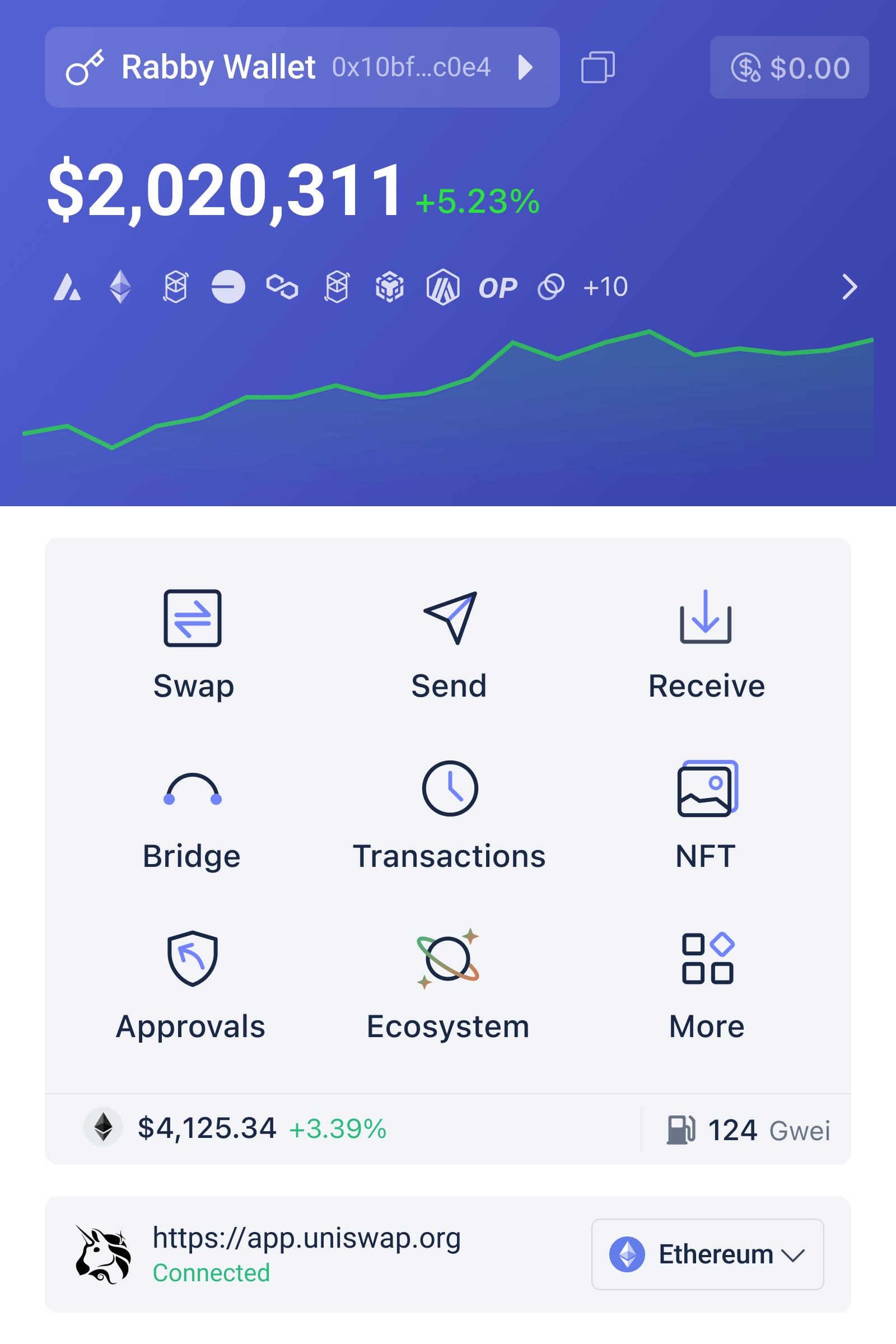
From address checking to transaction understanding
Early cryptocurrency wallets placed most of the burden on the user. They displayed an address, a network, and a fee, then asked for approval. That model was tolerable when users mainly sent assets from one account to another. DeFi changed the problem. A single click could now invoke a decentralized exchange, lending market, bridge, staking contract, or NFT marketplace, each with its own permissions and failure modes.
The industry gradually responded with clearer contract labels, token warnings, risk databases, and transaction previews. Transaction simulation is the next step in that evolution. Instead of merely decoding the request, a simulation attempts to execute the proposed call in an environment that represents the current blockchain state. The resulting changes can include assets leaving or entering the wallet, permissions being granted, and contract calls that may otherwise be hidden behind technical data.
This creates a useful mental model: a transaction preview is not a promise about the future; it is a conditional experiment. It asks, in effect, “If this request is executed against the state we can observe now, what appears likely to happen?” That is more informative than a raw hexadecimal payload, but it remains dependent on assumptions about network state, contract behavior, pricing, and the simulation infrastructure itself.
The myth that simulation makes signing safe
The first misconception is that a successful simulation proves a transaction is safe. It does not. A simulation may show that a swap can execute and that the expected tokens will be received, yet it cannot establish that the protocol will remain honest tomorrow, that the user is interacting with the intended website, or that a private key has not already been compromised.
There is also a timing problem. DeFi systems are state-dependent. Liquidity, prices, balances, block conditions, and contract storage can change between simulation and settlement. On a busy network, the transaction may be included after the economic conditions have shifted. A malicious or poorly designed contract may also behave differently under conditions the simulation did not reproduce. These are boundary conditions, not reasons to discard simulation. They are reasons to interpret it as evidence rather than insurance.
A second misconception is that every warning deserves equal attention. Excessive warnings can create “alert fatigue,” in which users click through because the interface appears alarmist. The more useful approach is to distinguish between a mismatch in expected assets, an unfamiliar approval, an unusual spender, a high-value transfer, and a merely unusual contract interaction. Risk communication works best when it connects the warning to a concrete decision: stop, inspect the spender, reduce the amount, revoke a permission later, or proceed only if the application is trusted and the transaction makes sense.
Why approvals deserve special scrutiny
Many wallet users focus on the immediate transfer and overlook permissions. An approval can allow a smart contract to spend a token on the user’s behalf later. In some cases, the permission may be limited to a particular amount; in others, it may be broad. The transaction may not drain anything immediately, but it can expand what the contract is allowed to do in a future interaction.
This is one of the less obvious lessons of simulation: the important output is not always the balance change at the end of the current transaction. Permission changes can be the real security event. When reviewing a proposed action, ask two separate questions. What assets move now? What authority is being granted for later? A wallet that exposes both categories gives the user a more accurate picture of risk than one that shows only the expected swap result.
For US-based DeFi users, this distinction is especially practical because wallet activity often spans several networks and applications. A familiar brand on one chain does not automatically make a similarly named contract on another chain legitimate. Network selection, domain authenticity, contract identity, and token denomination still matter. Simulation can help identify an unexpected result, but it cannot reliably compensate for downloading software from an imitation source or entering a recovery phrase into a fraudulent page.
Installing a browser extension without defeating the security model
The safest installation process begins outside the extension itself. Use the project’s recognized distribution path or a trusted store listing, verify that the extension name and publisher details match what you expect, and avoid search advertisements or unsolicited download prompts. For readers researching a rabby wallet installation guide, the link should be treated as a starting point for verifying the official route, not as a substitute for checking the browser listing and domain carefully.
After installation, create or import a wallet only in the extension’s legitimate interface. A recovery phrase should never be supplied to a website, support agent, form, or chat message. Consider using a hardware wallet for meaningful balances, keeping a separate low-value account for experimental applications, and testing a new workflow with a small amount first. These measures address risks that simulation cannot: phishing, endpoint compromise, social engineering, and loss of recovery credentials.
Browser extensions also introduce a different trust boundary from a hardware device. They are convenient because they interact directly with web applications, but that convenience means the browser environment becomes part of the security system. Malicious pages can attempt to manipulate what the user sees, imitate familiar applications, or pressure the user into approving an urgent action. A careful user should read the transaction summary, inspect the site context, verify the network, and resist signing when the explanation does not match the intended action.
What Rabby’s current positioning gets right—and what it cannot prove
Recent project messaging presents Rabby as a wallet for Ethereum and EVM-compatible chains, emphasizing on-chain usability, support across networks, and a browser-extension entry point for Chrome and Brave. That positioning reflects a real user need: DeFi participants do not want to manage a separate wallet workflow for every compatible application. A consolidated interface can reduce friction and make transaction review more consistent.
But broad compatibility creates its own trade-off. The more chains and protocols a wallet supports, the harder it becomes to maintain equally clear risk signals across every contract, bridge, token, and application. A wallet may recognize common patterns while encountering unfamiliar or newly deployed code. “Supported” therefore should not be interpreted as “endorsed” or “risk-free.” It usually means the software can interact with a network or application, not that the underlying economic design has been independently validated.
The most defensible way to evaluate a wallet is therefore behavioral rather than promotional. Does it show the likely asset changes? Does it make approvals visible? Does it flag meaningful mismatches? Does it allow the user to slow down and inspect a request instead of presenting a single reassuring green signal? These capabilities can improve decision quality, but their value depends on the accuracy and freshness of the data used to interpret contracts.
A practical framework for every DeFi transaction
Before signing, use a four-part check. First, identify the intended action in ordinary language: for example, “exchange a limited amount of one token for another.” Second, compare that intention with the simulated outcome, including fees, received assets, and any permission changes. Third, verify the context: website, network, contract, and account. Fourth, ask what happens if the protocol, price, or transaction state changes before settlement.
This framework is deliberately simple because security often fails under time pressure. If a simulation shows an unexplained token transfer, an unlimited approval, an unfamiliar spender, or an outcome that differs from the user’s goal, the correct response is to stop. Do not treat a warning as a puzzle to defeat. Investigate the application, reduce exposure, or use a separate account. When the value at risk is large, a second review or hardware-wallet confirmation is rational friction rather than inconvenience.
Looking ahead, transaction simulation will likely become more useful as wallets improve their interpretation of complex contract calls. The important signal to watch is not whether interfaces promise absolute safety, but whether they explain uncertainty more precisely: what was simulated, which assumptions were used, and which parts of the result remain unknown. If those explanations improve, users may gain a better defense against both obvious scams and ordinary mistakes. If interfaces hide their limitations behind confident language, simulation could instead create false reassurance.
Frequently asked questions
Does transaction simulation prevent a wallet drain?
No. It can reveal suspicious or unexpected effects before signing, but it cannot prevent phishing, stolen recovery phrases, compromised devices, deceptive websites, or every possible change in blockchain state. Treat the result as a security signal, not a guarantee.
Is a browser extension suitable for all DeFi funds?
It can be convenient for everyday interactions, but many users should separate operational funds from long-term holdings. A smaller DeFi account limits potential damage, while a hardware wallet can add protection for higher-value transactions. The right setup depends on the user’s threat model and habits.
What is the most important thing to check before signing?
Check whether the simulated result matches your intention, then inspect permissions separately from immediate balance changes. An action that appears to transfer nothing today may still grant a contract authority to spend tokens later.
Transaction simulation changes the wallet from a passive signing tool into an imperfect interpreter of smart-contract behavior. That is a meaningful improvement, but the final security boundary remains human judgment: install from a legitimate source, protect the recovery phrase, question unexpected permissions, and recognize that a plausible simulation is evidence—not certainty.